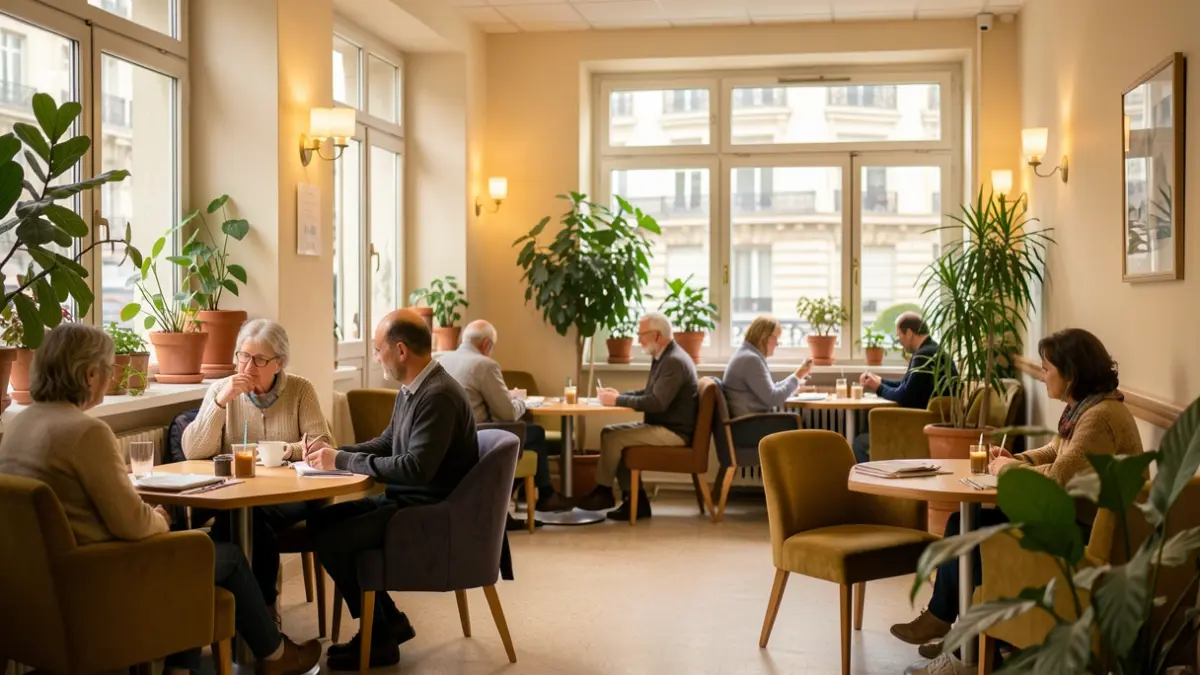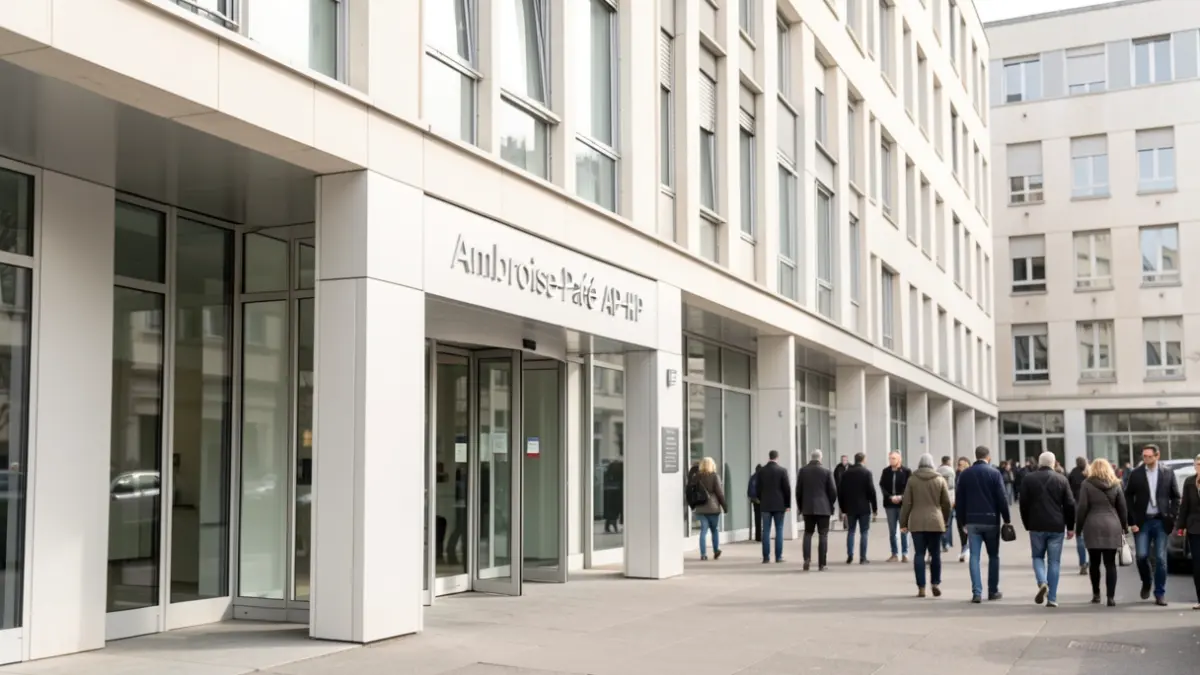
A new day hospital for surgical prehabilitation dedicated to seniors has been established at the Ambroise-Paré AP-HP hospital. This program is intended for patients over 70 years old who are scheduled for non-urgent surgery, whether orthopedic, digestive, or vascular. The goal is to enhance the quality of care, prevent post-operative complications, and optimize surgical pathways.
Patients over 70 represent more than 40% of the hospital's scheduled surgery activity. The concept of senior prehabilitation aims to prevent, detect, and treat geriatric frailties, which can modulate a patient's response to surgical stress. Frailty is a reversible condition when identified and managed. In a surgical context, prehabilitation seeks to prevent complications and loss of functional autonomy before the intervention by optimizing the patient's physiological reserves and functional capacities. This program is part of the enhanced recovery after surgery (ERAS) approach.
Since 2022, a prehabilitation consultation with a geriatrician has been offered at Ambroise-Paré hospital, 3 to 12 weeks before surgery for scheduled orthopedic procedures. This consultation, averaging one hour, focuses on various frailty indicators such as loss of autonomy, malnutrition, cognitive disorders, and isolation. The positive outcomes of this initiative have encouraged other surgical departments to adopt this care pathway.
On a dedicated day, a specialized multidisciplinary team, including geriatricians, physiotherapists, dietitians, and adapted physical activity instructors, assesses patients' physiological, functional, and nutritional capacities within an appropriate timeframe. Specific recommendations are then made by the professionals, covering exercise programs, pain management, nutritional improvements, and psychological support. This approach strengthens specialized care and expands the number of possible evaluations.