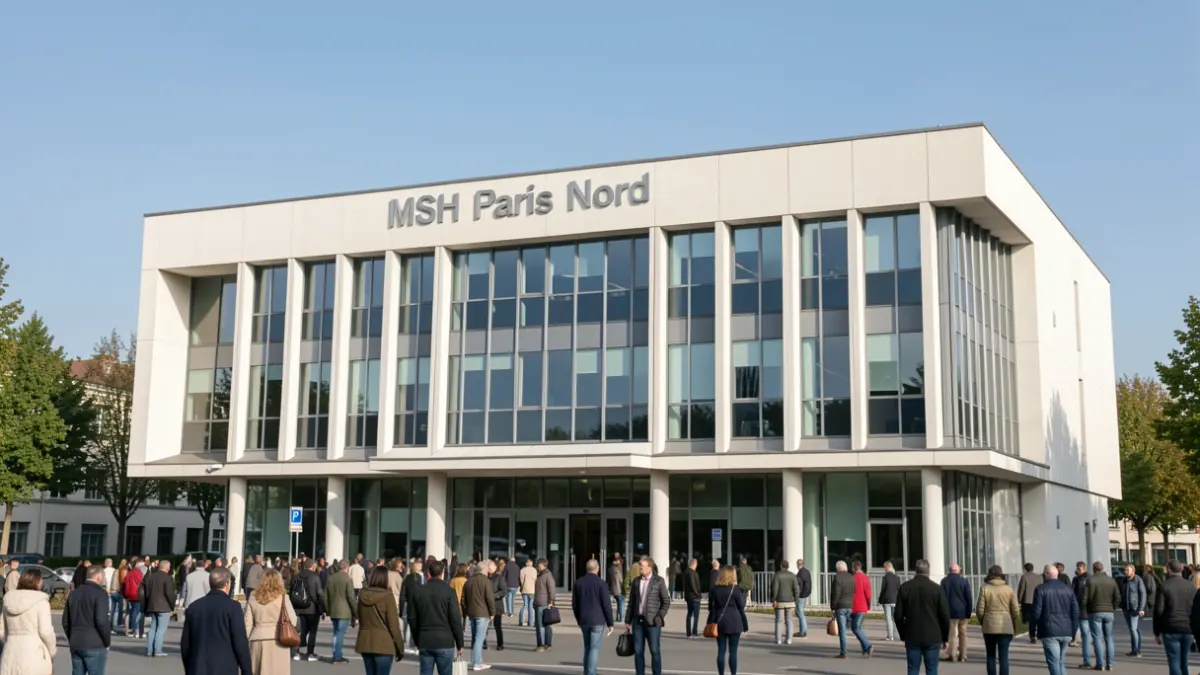
For the sixth consecutive year, MSH Paris Nord and EPT Plaine Commune are collaborating on a series of five seminars. These meetings will bring together researchers and stakeholders to reflect on the close relationship between cultural and urban projects, both locally and internationally.
Culture, art, and heritage are strong markers of the Plaine Commune territory. MSH Paris Nord, through its research axis 'Thinking Contemporary Cities,' plays a key role in knowledge production and network development in the area. These sessions, open to all, will examine how culture shapes the urban territory and, conversely, how territorial issues influence cultural projects, while also analyzing engaged discourses and narratives.
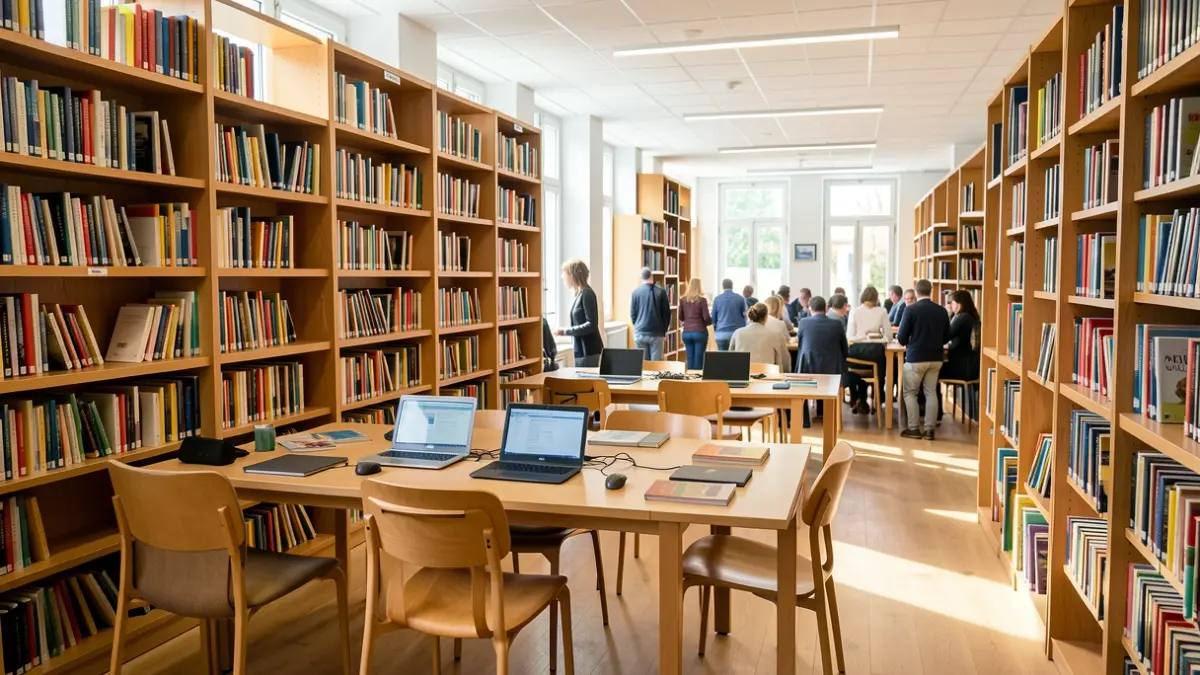
Each session will be held in person at MSH Paris Nord, with the possibility of following via videoconference through a provided link.
The first session, on Tuesday, October 6, 2026, titled 'Research-Creation in Territorial Development,' will focus on this increasingly practiced research method, particularly in planning and urbanism, combining artistic practices with knowledge production.
On Tuesday, December 1, 2026, the session 'Culture, Biodiversity, and the Narrative of the City' will explore the integration of nature, biodiversity, and storytelling into urban and cultural projects, especially in the context of the climate emergency.
Titled 'The City from a Child's Perspective,' the session on Tuesday, January 19, 2027, will address the place of children in the city, from the perspective of urban studies and public policies, as well as cultural, artistic, and political dimensions.
On Tuesday, March 9, 2027, 'Threats to Culture (in the City)' will discuss budget cuts affecting cultural institutions, the precariousness of cultural workers, and political agendas that reduce the role of art and culture.
Finally, the session on Tuesday, May 11, 2027, 'Architectural and Urban Design in Debate,' will conclude the series by questioning the place of arts in the practices of architects and urban planners, the challenges of ecological transition, and emancipation through architectural design.