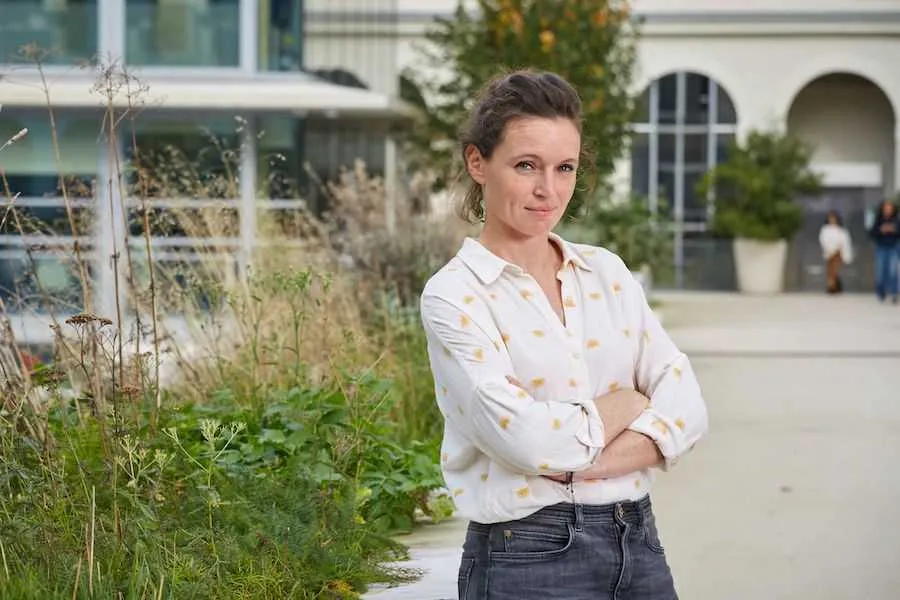
Presented by Tessa Chaumillon, departmental councillor in charge of the Territorial Food Plan, this review highlights the authority's efforts to evolve the local food system by bringing together public, private, and associative partners. The goal is to ensure access to quality, healthy, sustainable, and chosen food for all residents.
In the field of collective catering, school canteens and nursery dining areas now offer 30% organic produce, a significant increase from the 4% recorded in 2018. College ATTEE staff, who prepare part of the meals on-site, are trained in food transition by the School of Sharing and Know-how. This training sensitises them to using local, seasonal, and short-supply-chain products, in collaboration with the authority's nutritionist. Cooks are also encouraged to offer more raw or vegetarian foods and reduce waste, with measures such as portion-sized plates or sorting tables. Furthermore, the Departmental Reception and Catering Service (SARDEC) is actively working to eliminate single-use plastics in meal preparation.
For families, the Department supports initiatives such as cooking workshops led by dietitians within the PMI services. In 2025, meetings were held in Clichy-sous-Bois, Villetaneuse, and Sevran with beneficiaries of the Vital'Im card. Supported by the Department and the NGO Action Against Hunger, this card provides financial aid of 50 euros per month per person for purchasing healthy products at local shops, aiming to guide vulnerable parents towards better nutrition without guilt.
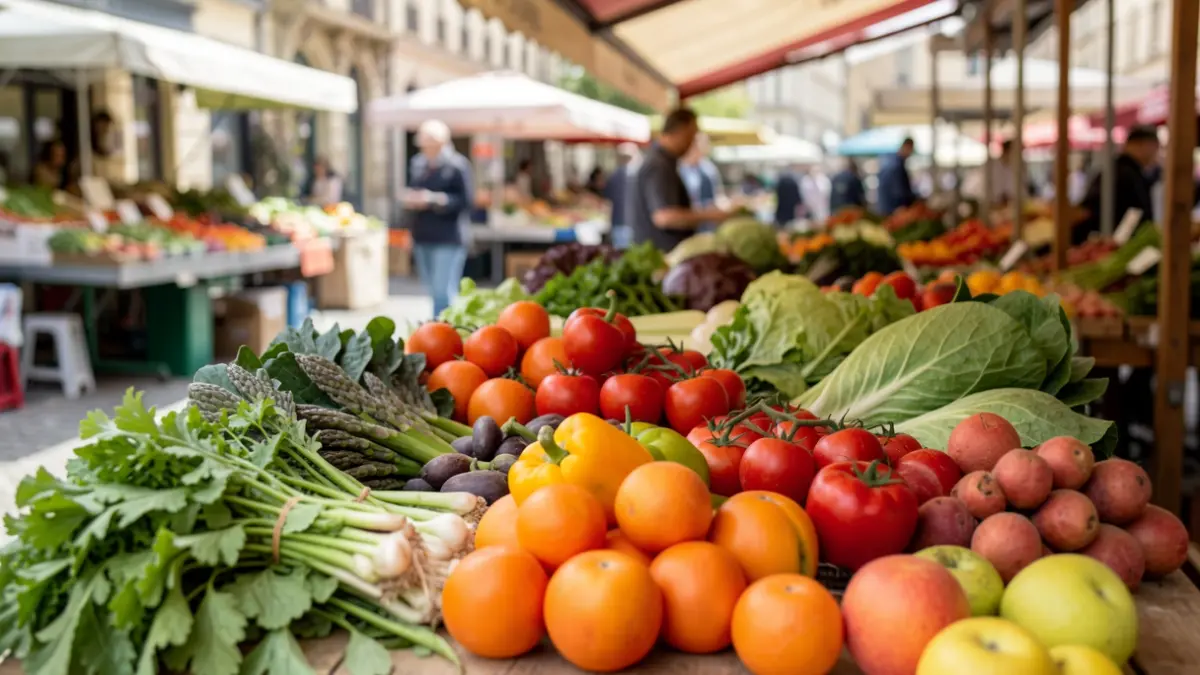
Social innovation and urban agriculture complete this strategy. In Bondy, the LAB3S association worked with residents to create a group ordering platform for 50% organic products, allowing 60 members to buy fruit and vegetables at affordable prices. The Department also supports urban agriculture on over ten hectares of departmental land, with gardened courtyards inaugurated in several colleges and nurseries. Local products, such as Re-Belles jams, are labelled to promote local production. A 'Made in Seine-Saint-Denis' map lists 400 locations for urban agriculture and sustainable food to inform consumers.