With 90,000 hectares dedicated to agriculture, the Yvelines is a major agricultural territory. The Department, which manages school catering through the C'midy structure (jointly owned with the private group Elior), has chosen to progressively increase the share of local products in students' meals. This strategy aims both to provide quality food for pupils and to boost the local agricultural sector by ensuring stable outlets for producers.
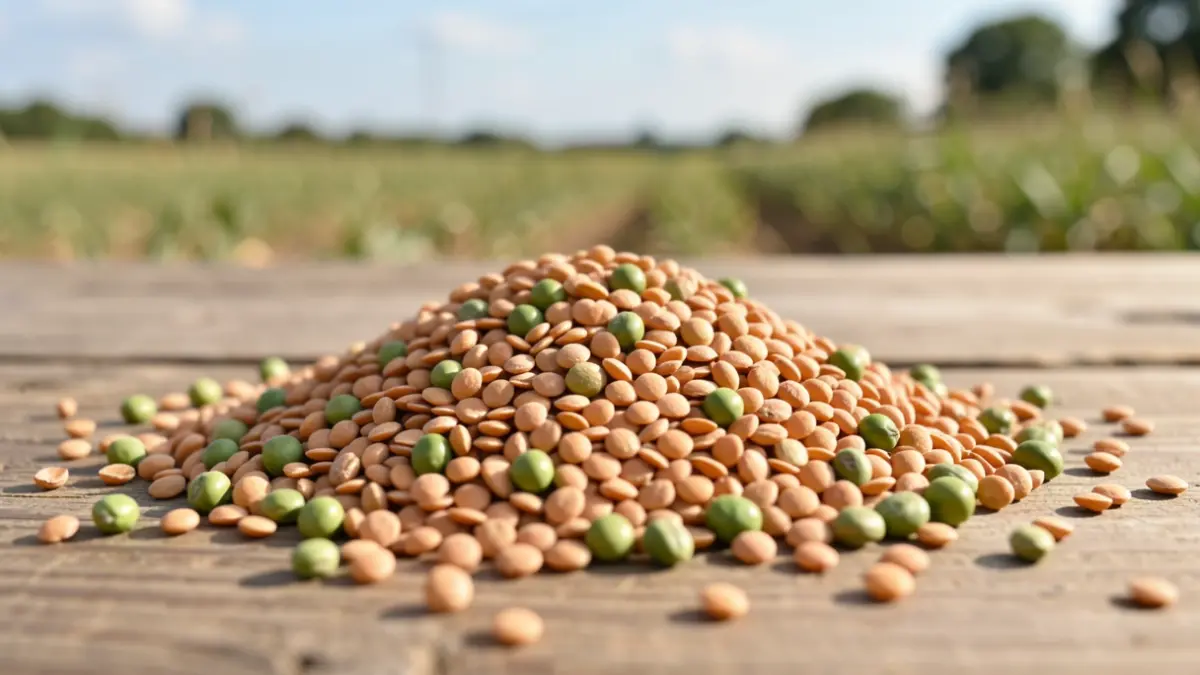
At the heart of this initiative is the structuring of a legume supply chain, led notably by Christian Hubert, manager of the Huilerie Plaine de Versailles. This initiative is part of an agroecology approach, defined by INRAE as a way of designing production systems based on biodiversity to reduce the use of inputs. Legumes, such as lentils and peas, trap nitrates and capture nitrogen, thus enriching the soil for subsequent crops.
This collaboration between the Department and farmers, involving about thirty farms, allows 3.5 million euros to be reinvested annually in the Yvelines agricultural sector. Laura Poyer, head of sustainable food projects at the Department, and Christian Hubert participated in the Agroecology and Food Summit to share these experiences. This system offers long-term visibility to farmers, ensuring a reliable income source in a struggling sector.