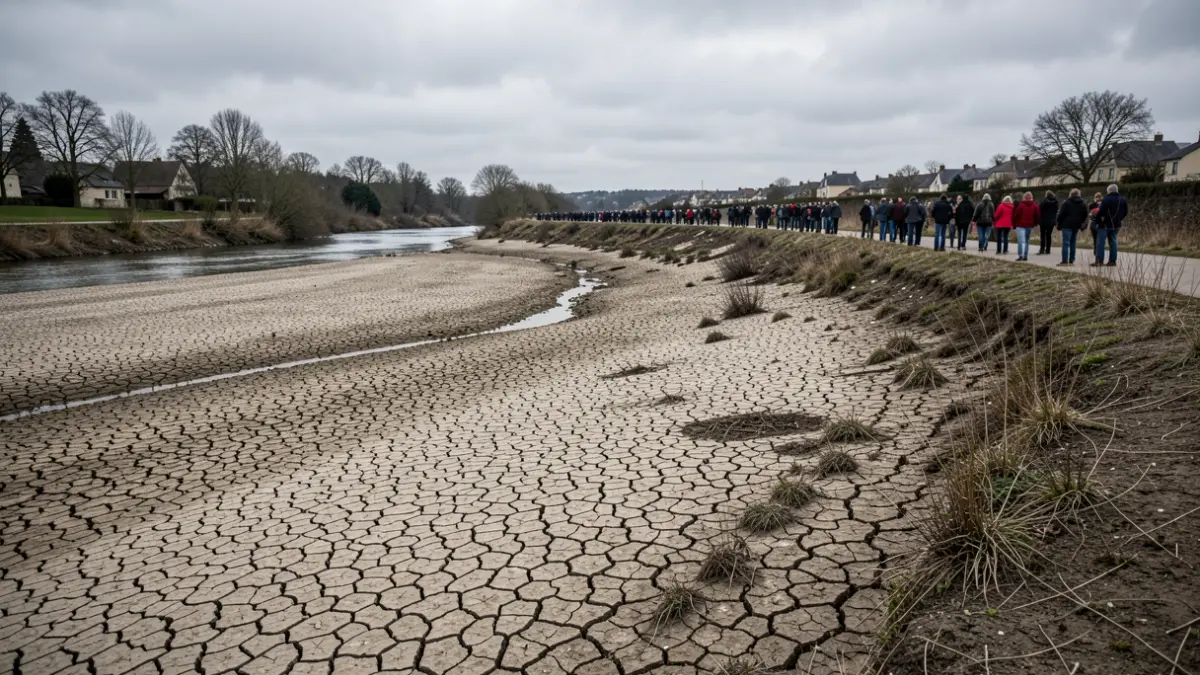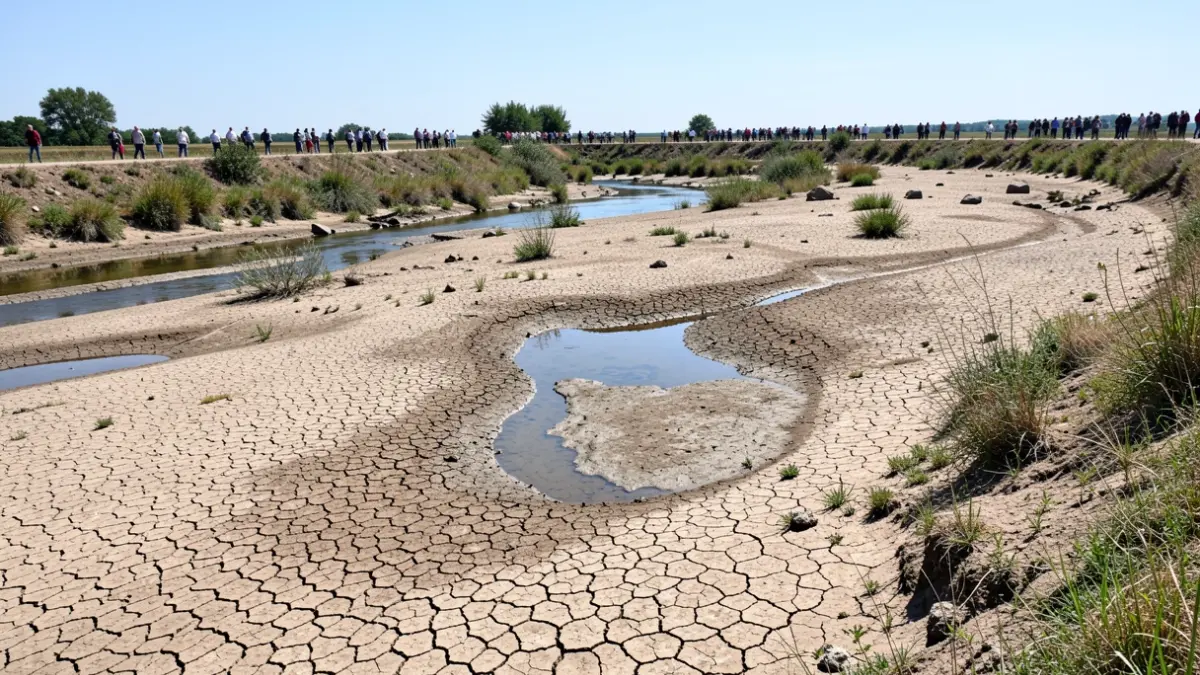
The watercourses of the Yerres basin, particularly in Seine-et-Marne, faced unusual low water levels during the summer of 2026. The Natura 2000 site 'L’Yerres de sa source à Chaumes-en-Brie' was heavily impacted, with sections of the riverbed drying up or reduced to a few stagnant pools.
These conditions altered the available habitats for aquatic fauna and flora. Stagnant water led to increased temperatures and decreased dissolved oxygen, making life difficult for many species. Aquatic vegetation was also affected by the proliferation of duckweed and algae, reducing light penetration and contributing to eutrophication.
Fragile species such as the bullhead (chabot), the bitterling (bouvière), and the pike (brochet) are particularly exposed. The bullhead's reproduction depends on cool, oxygenated waters, while the bitterling's relies on freshwater mussels, which are themselves sensitive to drought and temperature changes. Reduced water spaces also increase competition among fish.
The effects of the drought extend to the riverbanks and trees. SyAGE has intensified inspections, identifying dozens of dried-out trees posing a risk of falling, potentially forming blockages and disrupting water flow. These weakened trees are condemned and will take several years to die.
Areas retaining water serve as essential refuges. It is recommended to report trapped fish to SyAGE, the OFB, or the Seine-et-Marne Fishing Federation. Water withdrawals and the creation of obstacles can worsen the situation.
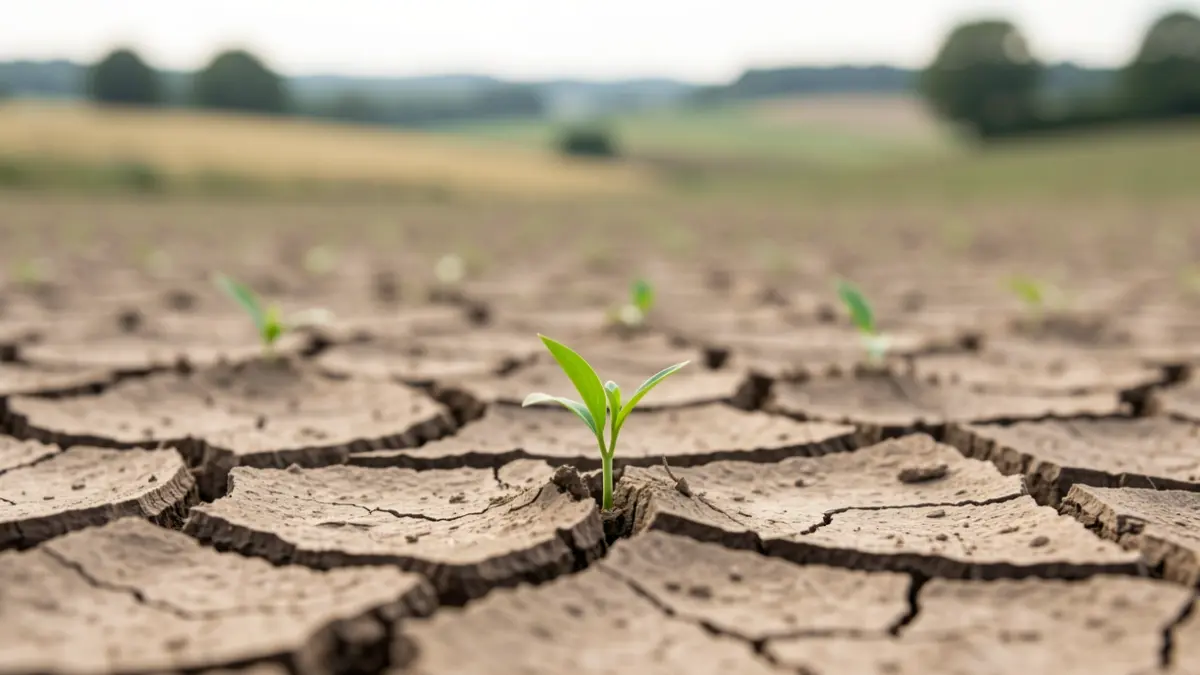
The summer of 2026 underscores the importance of preserving aquatic environments against increasingly severe drought episodes. Restoring habitats, maintaining ecological continuity, and conserving water resources are crucial for the river and its biodiversity to adapt.