In his latest book, 'Les minéraux', published by mll in 2026, Grégoire Egoroff, a geologist at the National Museum of Natural History (MNHN) and advisor for the new cycle 'Geology, subterranean support of our world' at the Bpi, sheds light on the importance of minerals. He emphasizes that calcite, a major component of limestone rocks, is a privileged witness to the history of the Earth, life, and climates.
'Calcite tells us many stories and can present magnificent forms,' explains Egoroff. This mineral is largely formed by living organisms like algae, or by their action, all influenced by the planet's environmental conditions.
Leading the National Inventory of Geological Heritage, Grégoire Egoroff stresses the need to protect rock outcrops, quarries, and cliffs like monuments. 'Rocks do not reproduce,' he reminds us. The preservation of these natural sites is crucial to retaining their history, threatened by plate tectonics and human activities.
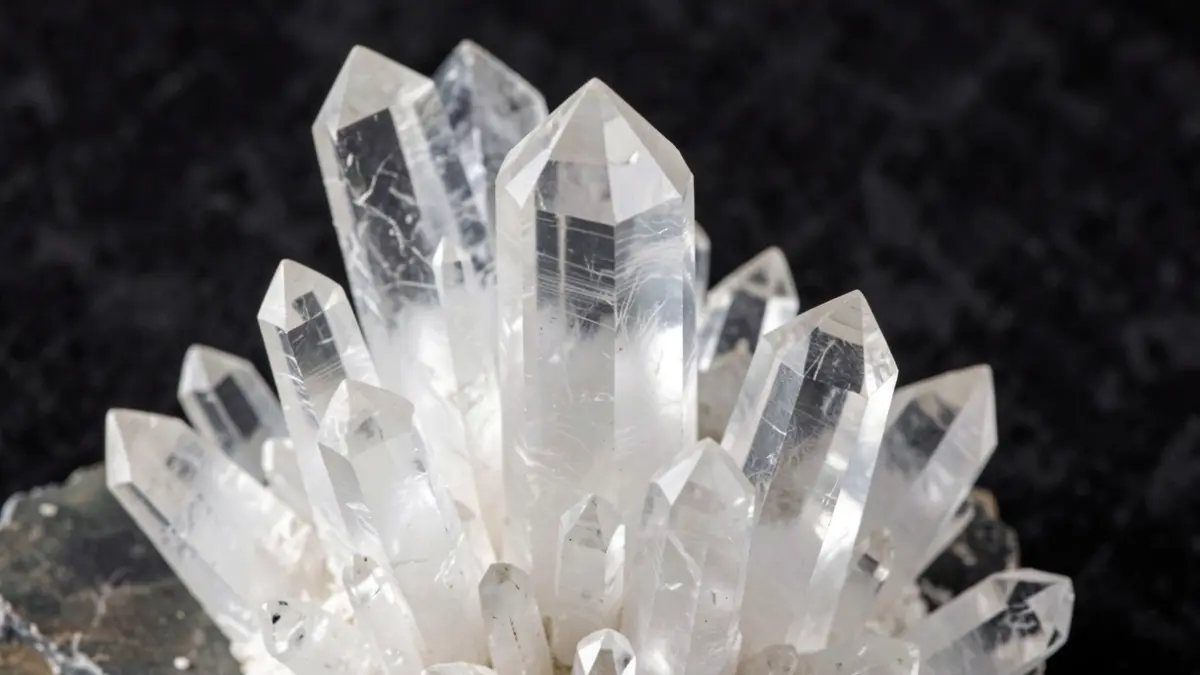
He also warns against resource depletion, citing quartz, which is ubiquitous in our daily lives (glass, electronics). 'Its exploitation occurs at very specific deposits and has strong impacts on ecosystems,' warns the geologist, noting that sand, the second most exploited resource after water, is not inexhaustible.