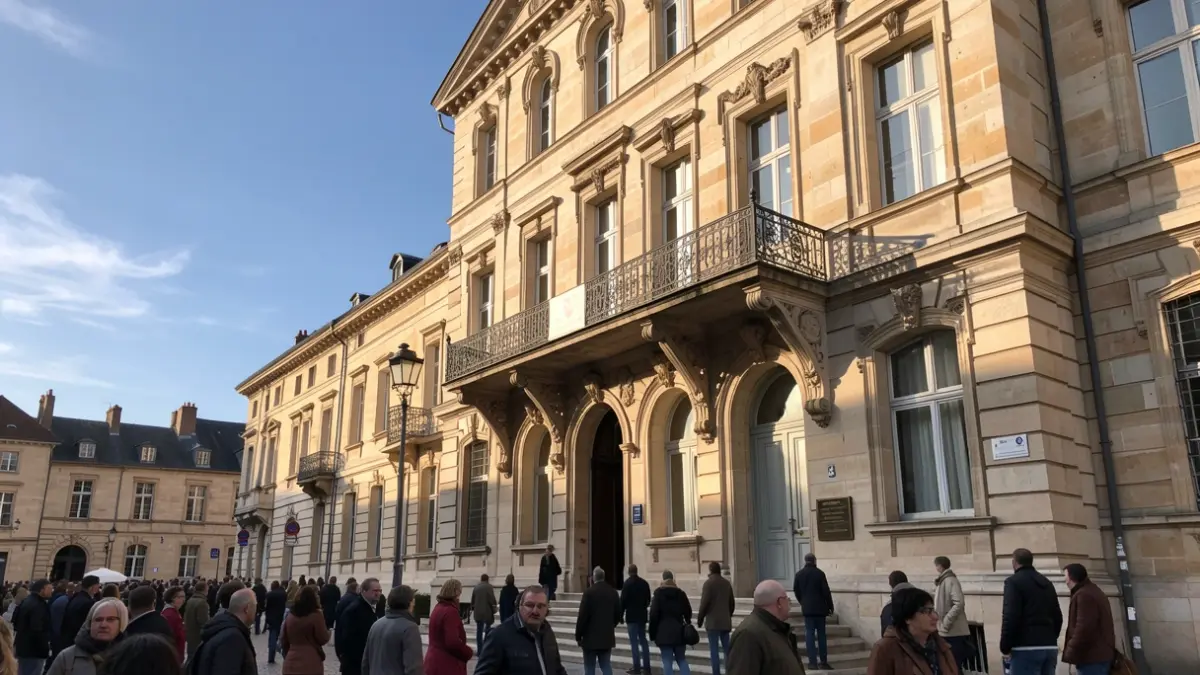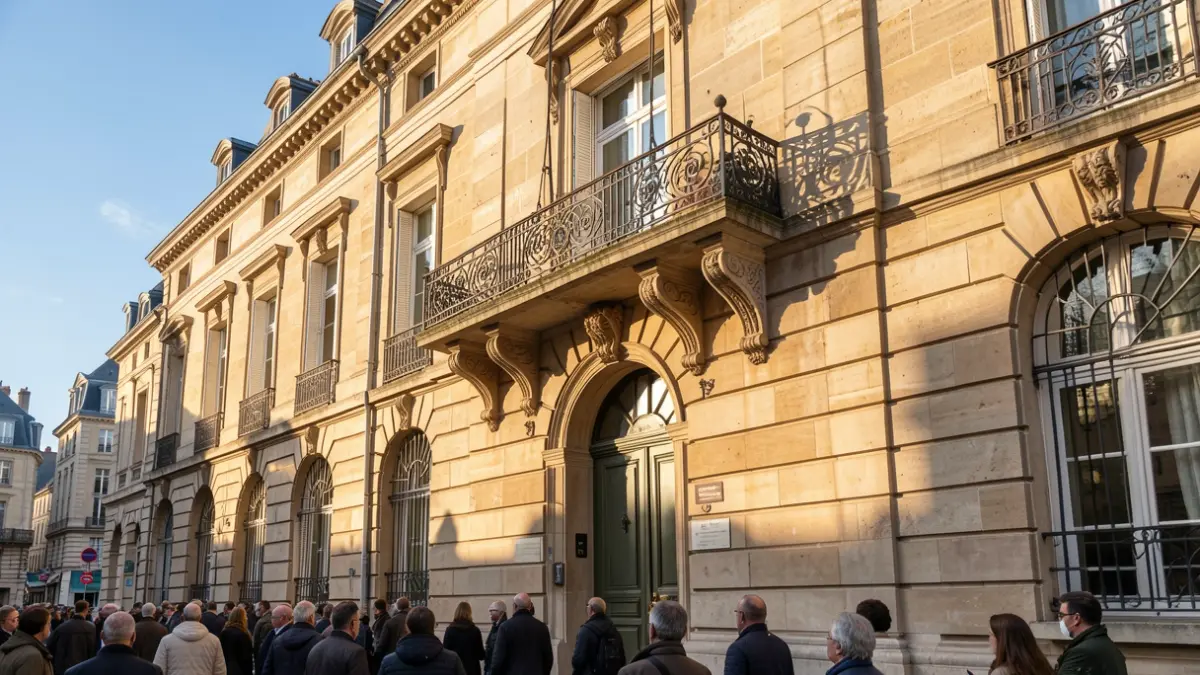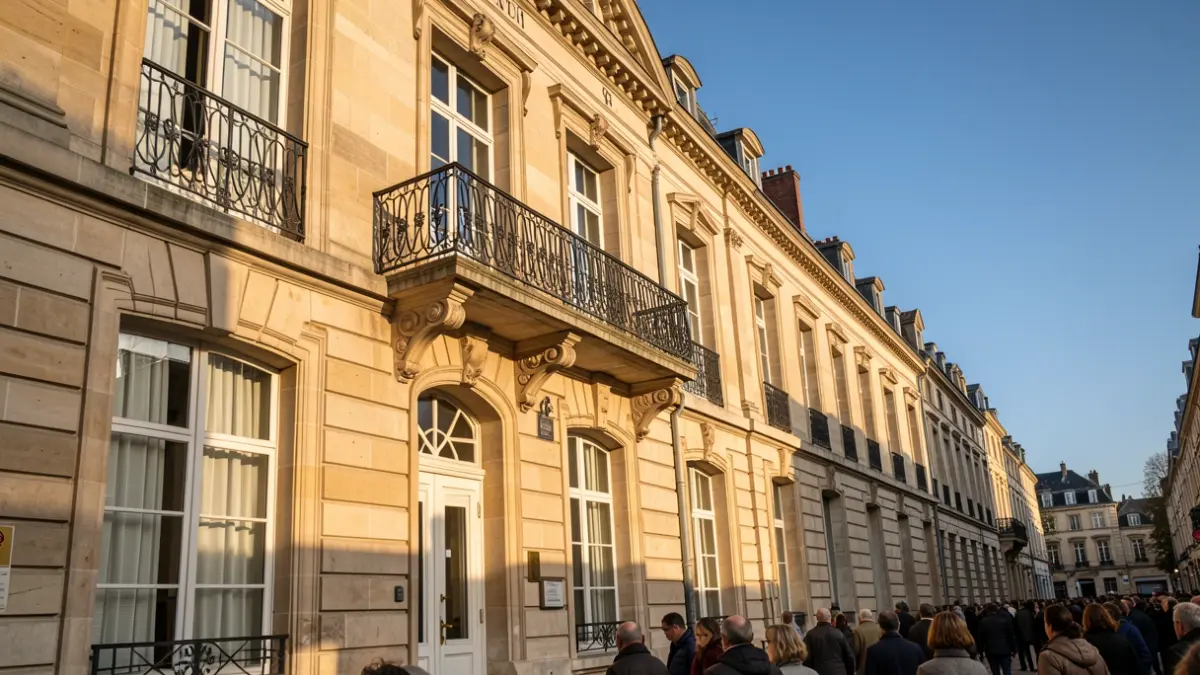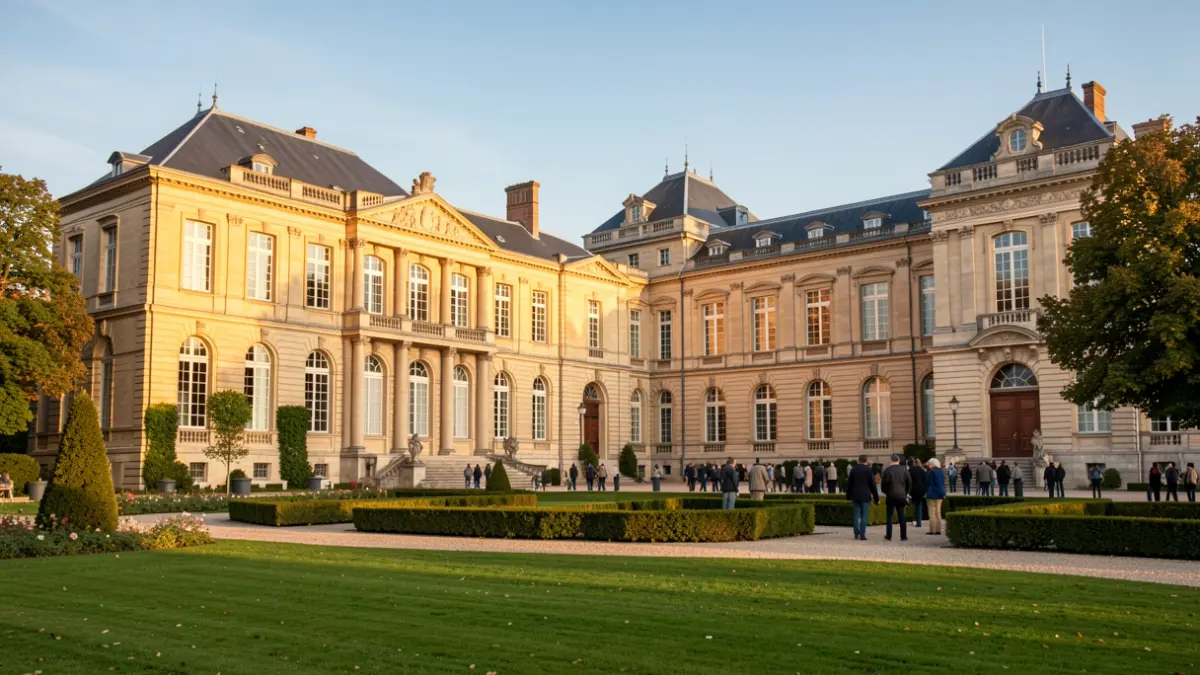
The event, held on October 17, 2026, gathered the Alfort community and its partners for two roundtables. The aim was to review the major developments of the school since its 250th anniversary in 2016 and to explore future prospects for veterinary education and professional practice.
The first roundtable, moderated by Céline Gerster, deputy director of EnvA, traced the decade from 2016 to 2026, marked by profound institutional transformation. Former directors Marc Gogny and Christophe Degueurce, along with other leaders such as Henry Chateau and Céline Mespoulhès-Rivière, shared insights on financial recovery, structural investments, pedagogical evolutions (skills framework, simulation, digital tools), and the impact of the Covid-19 crisis. The introduction of the post-baccalaureate entrance exam and the development of veterinary hospitals were also highlighted, as was the assessment of Alfort Normandie, a site dedicated to equine health opened in January 2025.
The second roundtable, led by Renaud Tissier, director of EnvA, broadened the discussion to the entire profession. With participants including Jacques Guérin (National Council of the Order of Veterinarians), David Quint (SNVEL), Pierre Sans (ENVT), Caroline Boulocher (UniLaSalle), Annick Valentin-Smith (Vet In Tech), and Juliette Hadchouel (Inserm, Scientific Council of EnvA), the debates focused on societal expectations, teamwork, demographic challenges, sector attractiveness, territorial distribution of veterinarians, and the integration of new technologies like artificial intelligence and telemedicine. The need to strengthen critical thinking and mastery of scientific fundamentals in the face of digital tools was emphasized.
Participants also addressed issues of global health, prevention, biodiversity, and crisis management, highlighting the veterinarian's growing role in a holistic approach to life and public health. Despite profound changes, the veterinary profession possesses strong assets to meet future challenges, with the training of competent, adaptable practitioners possessing a strong human dimension remaining the essential mission of veterinary schools.
The day concluded with the inauguration of two heritage equine restraint instruments: the Daviau Table (1889) and the Vinsot Tilting Device (1899). The reconstruction of these devices, made possible by the Museum of the Châtillonnais region, the Desliens family, restorers, and the Association of Alumni and Friends of the Alfort School, serves as a reminder of the living heritage of Alfort's history.