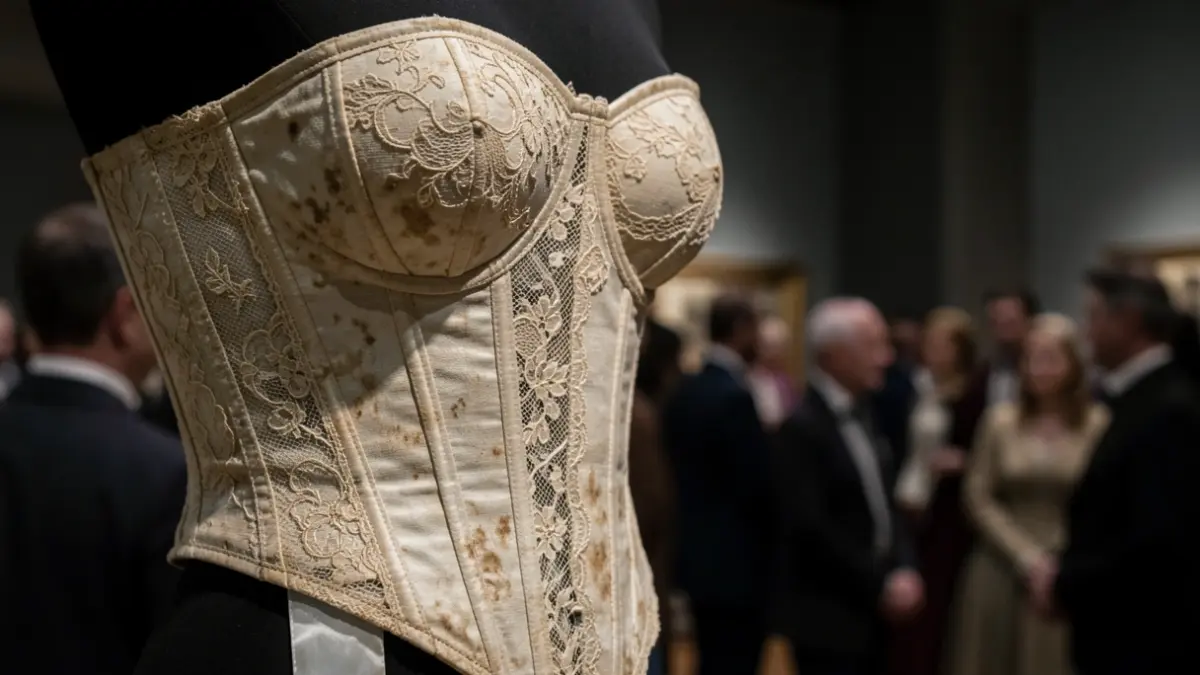
Tumor markers found on Marie Antoinette's clothing suggest an extended gastro-intestinal cancer affecting the uro-genital area. Proteins detected on the young Louis XVII's garments likely indicate a tuberculous infection.
These studies, led by Professor Philippe Charlier from UVSQ's LAAB, utilized paleoproteomic analysis on clothing from the queen (1755-1793) and her son (1785-1795), identifying residue composition and shedding light on their health.
The expertise of the Palais Galliera, Paris Fashion Museum, was crucial for identifying and dating the garments. A total of 16 samples were collected from six different items of clothing.
The method involved extracting and analyzing proteins via mass spectrometry, confirming the human origin of the proteins and identifying 361 distinct proteins.
These findings highlight the medical value of paleoproteomics on ancient textiles for documenting the health and diseases of their wearers, opening new avenues in the study of disease history.
The research was conducted by Professor Philippe Charlier (UVSQ), researchers from Hôpital Raymond Poincaré (AP-HP), the CEA in Bagnols-sur-Cèze, and the Palais Galliera.