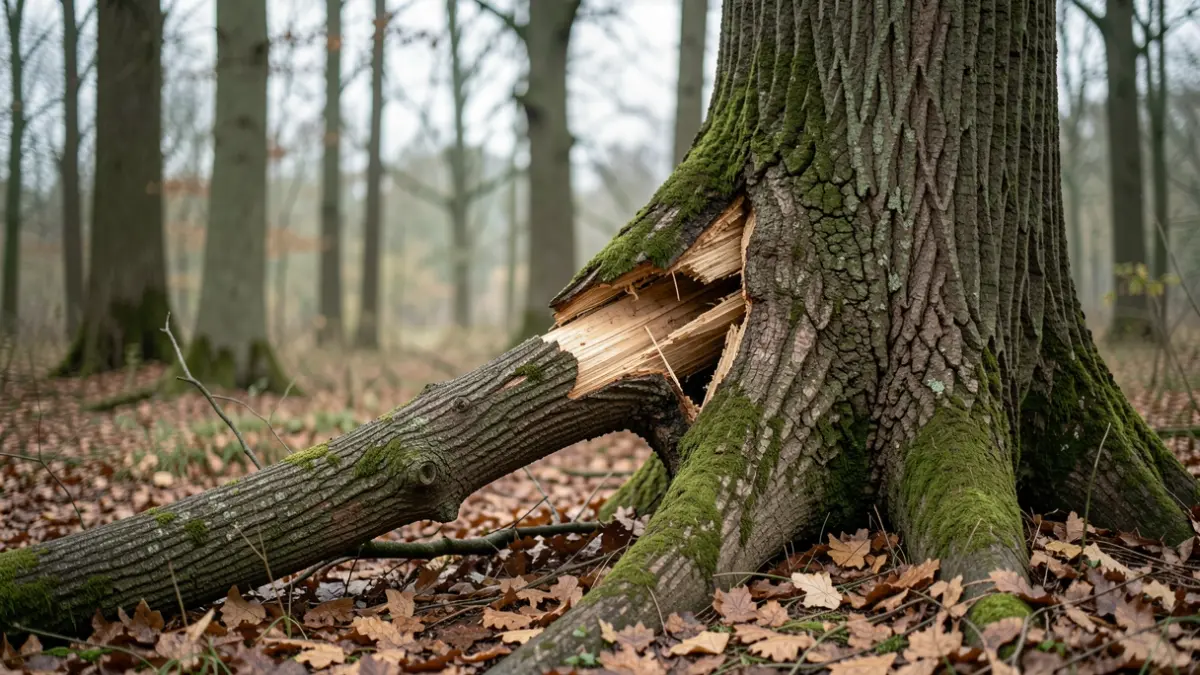
Summer 2026 left visible marks on the natural spaces of the Yvelines. The departmental forest massifs experienced falling branches and uprooting, particularly at the edges, where trees exposed to high temperatures showed significant signs of stress. The ENS of Ablis, due to its configuration, was more severely affected.
Prolonged drought also slowed tree growth, making them more susceptible to parasites. Attacks by oak processionary caterpillars were observed, and several species such as hornbeams, birches, wild service trees, ashes, aspens, and chestnuts show signs of water shortage. The undergrowth and associated biodiversity are also impacted.
« The full assessment can only be made in the coming months. Winter will allow us to measure the extent of the damage and identify potential new risks of falling trees or branches, especially after stormy episodes », explains Jean-Michel Portier, forestry technician at the Department of Yvelines.
In response to this situation, the Department is intervening to ensure the safety of walkers and support the natural regeneration of forests. Safety interventions are planned, as well as targeted plantings with diversified species better adapted to climate change. New methods for managing forest edges are also being experimented with.
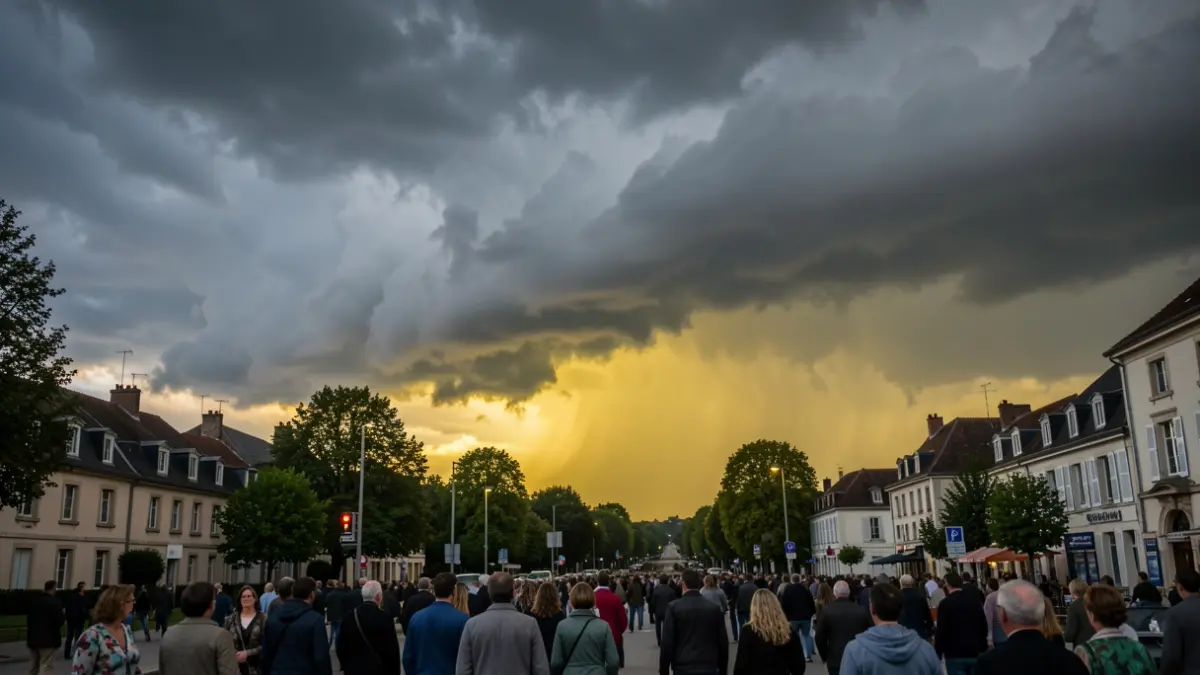
The violent storms at the end of June added their effects to those of the drought. The massifs of Grand Bois in Morainvilliers and Bois d’Abbécourt in Orgeval had to be temporarily closed for safety operations. « The Department's integration brigades intervened quickly... to secure frequented areas », specifies Erwan Bastin, forestry technician at the Department.
Ponds and wetlands, particularly within the Parc départemental du Peuple de l’herbe in Carrières-sous-Poissy, also saw their water levels drop significantly. « The expected rains in the coming weeks should allow a gradual return to normal », observes Aurélien Perrier, ecologist technician at the Department.
« This episode, however, reminds us that fauna and flora emerge weakened from this period of climate stress. The repetition of such events constitutes the main challenge for natural ecosystems », concludes Jean-Marc Jouve, head of the Sensitive Natural Areas management service at the Department.
For the safety of walkers, it is recommended to respect the regulations of the Sensitive Natural Areas and stay on marked paths. Wildlife, stressed by water shortages and high temperatures, also needs calm. Simple gestures like staying on trails and minimizing disturbances contribute to the preservation of these spaces.