The 'late veneer' hypothesis, proposed in the 1970s, posited that after the differentiation between Earth's core and mantle, meteorites delivered siderophile elements to the planet. These contributions were thought to represent the last significant mass addition, accounting for 0.5% of Earth's total mass, and potentially bringing elements crucial for life, such as water and carbon.
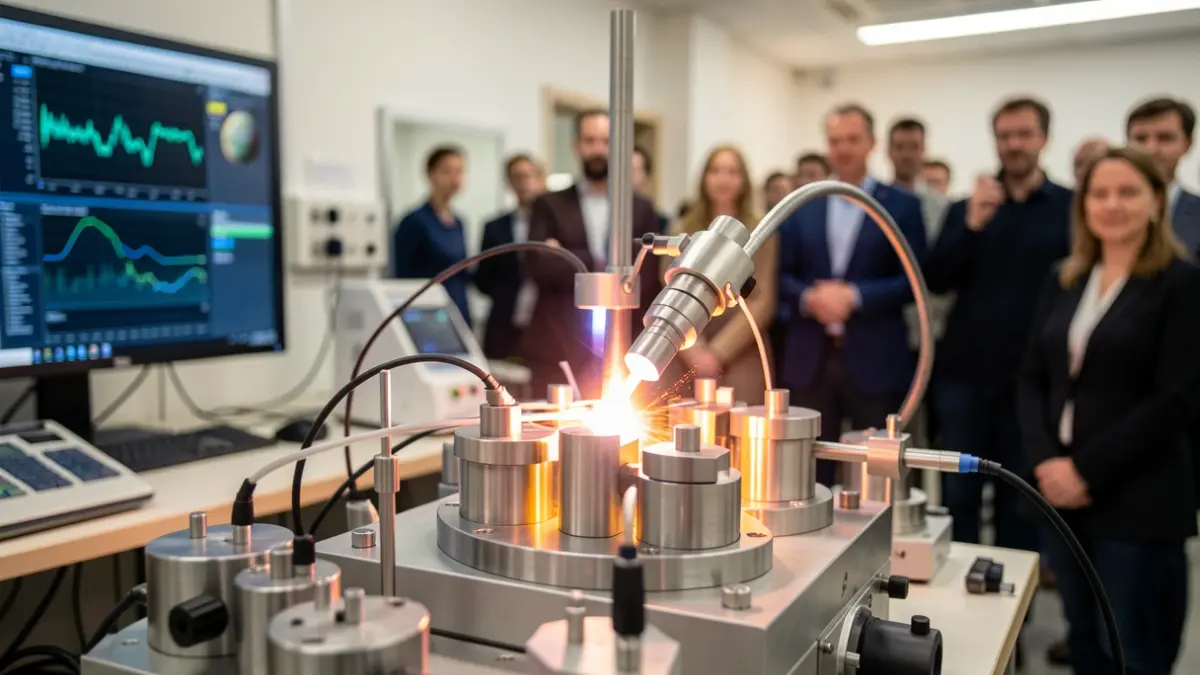
To test this theory, an international team recreated the extreme pressure and temperature conditions of Earth's formation in a laboratory setting. Using diamond anvil cells coupled with laser heating, the researchers analyzed samples at the European Synchrotron Radiation Facility (ESRF) in Grenoble. These experiments revealed that temperature plays a critical role in the partitioning of siderophile elements between the core and mantle.
The findings indicate that under the conditions of Earth's core formation, these elements are less siderophile and exhibit an increased affinity for silicates. Numerical models of planetary formation subsequently demonstrated that the observed abundances of these elements in Earth's mantle can be explained by the high-temperature effects during terrestrial differentiation, without requiring a substantial late external input.
This discovery offers a new perspective on the growth of Earth, the Moon, and other terrestrial planets in the solar system. It suggests that elements like water and carbon were present from the earliest stages of Earth's history, rather than being delivered later. The study, published in Science Advances, paves the way for a better understanding of the evolution of terrestrial planets within the solar system.