As part of the UNESCO Chair "Sensitive Goods, Provenance Research, and International Issues," the French Museums Department and the Research Center of the École du Louvre are bringing together experts to address the specific issues raised by the study of provenance for artworks of artistic intention executed in multiple copies. Provenance research traditionally focuses on unique cultural goods like paintings or sculptures, but public collections also include numerous tapestries, furniture, ceramics, prints, coins, textiles, or photographs.
The day will explore how to identify a specific copy in an inventory or a list of stolen or looted goods, and how to reconstruct the unique trajectory of an object among its many doubles. Presentations will cover case studies and methodological reflections, particularly on illicit trafficking, goods from colonial contexts, spoliations between 1933 and 1945, and methods for studying large collections of objects.
Particular attention will be given to tools and approaches for distinguishing copies, such as analyzing their materiality, marks of use, manufacturing processes, or employing digital solutions. Research on collectors, dealers, and other art market actors will also shed light on the circulation of these multiple-edition objects.
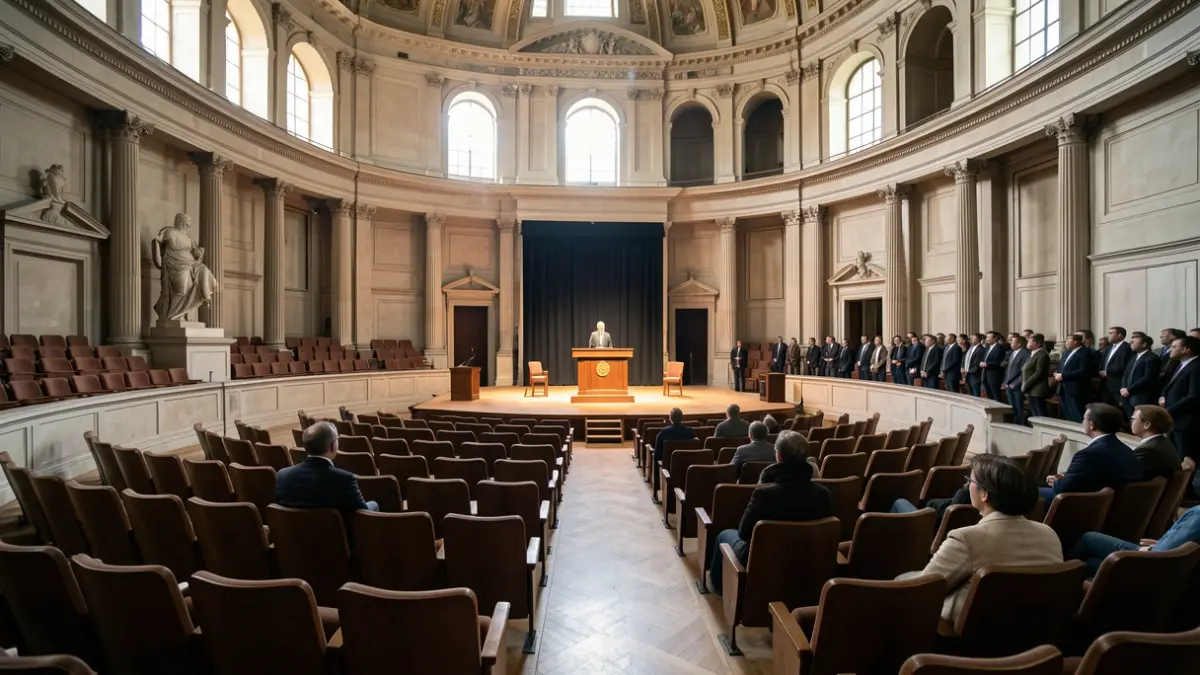
The event will take place at the École du Louvre, in the Michel-Ange amphitheater, from 9:00 AM to 5:00 PM. It will be offered in a hybrid format, both in-person and remotely, providing a space for collective reflection on provenance research methods applied to multiple artworks and their significance for public collections.