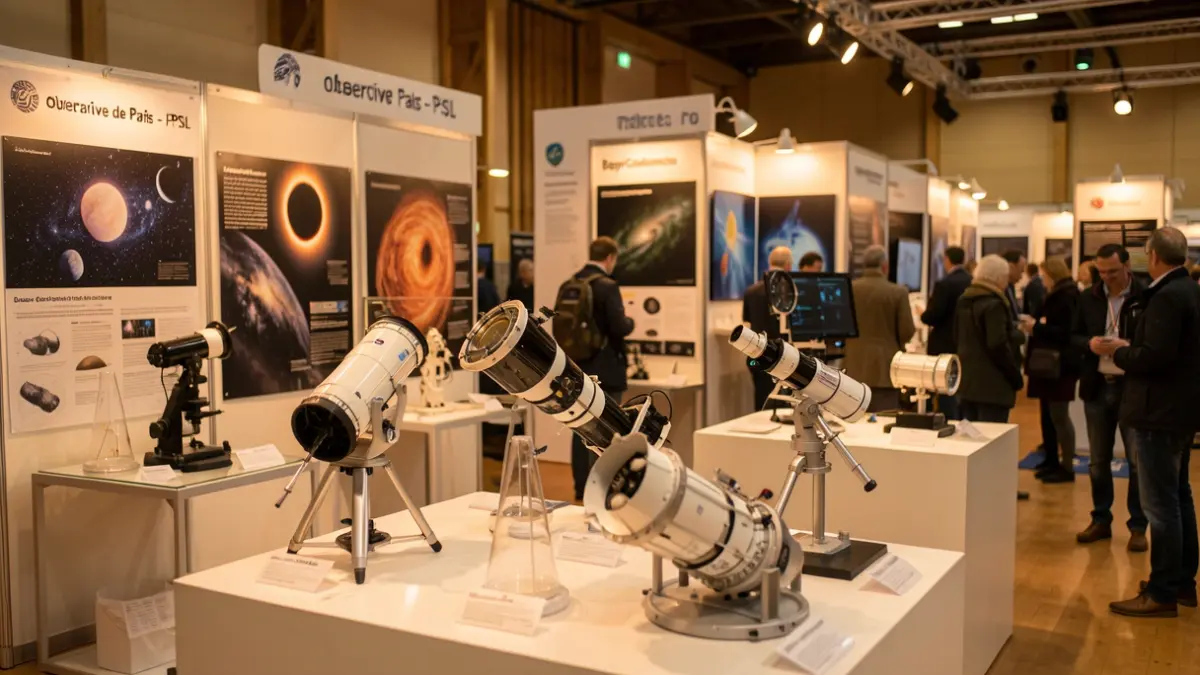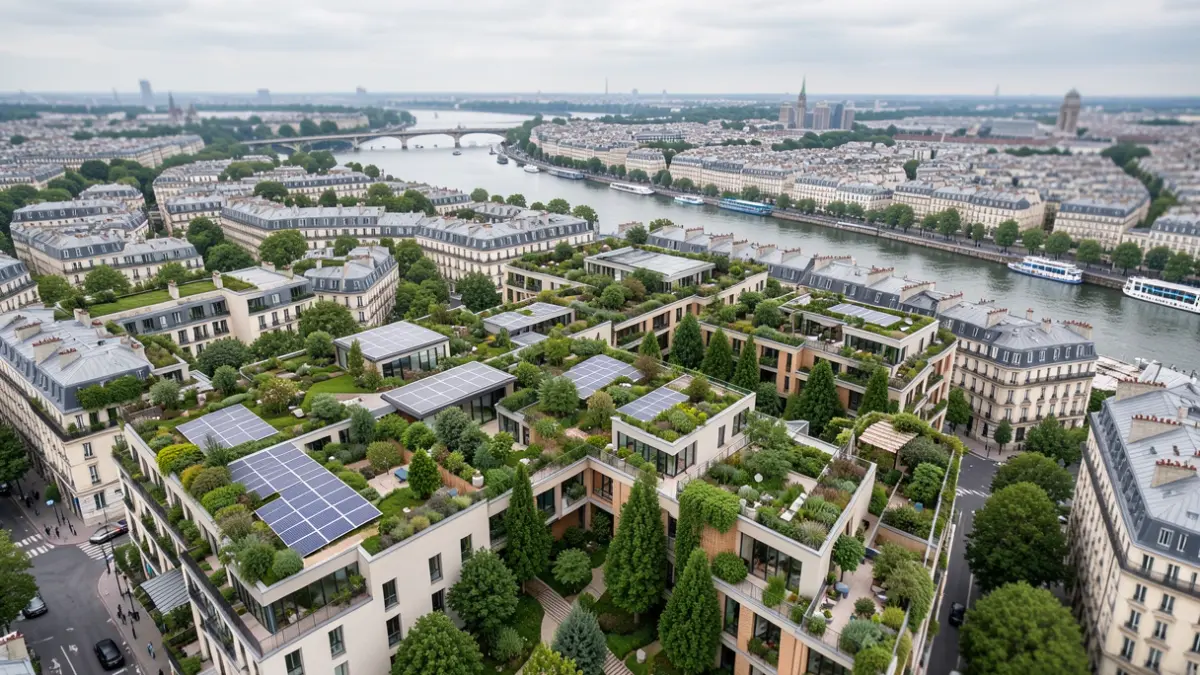
From November 9 to 20, 2026, as part of COP31, Mines Paris – PSL is spotlighting research efforts aimed at meeting the challenge of the energy transition: electrifying uses while ensuring a reliable, flexible, and sustainable energy system.
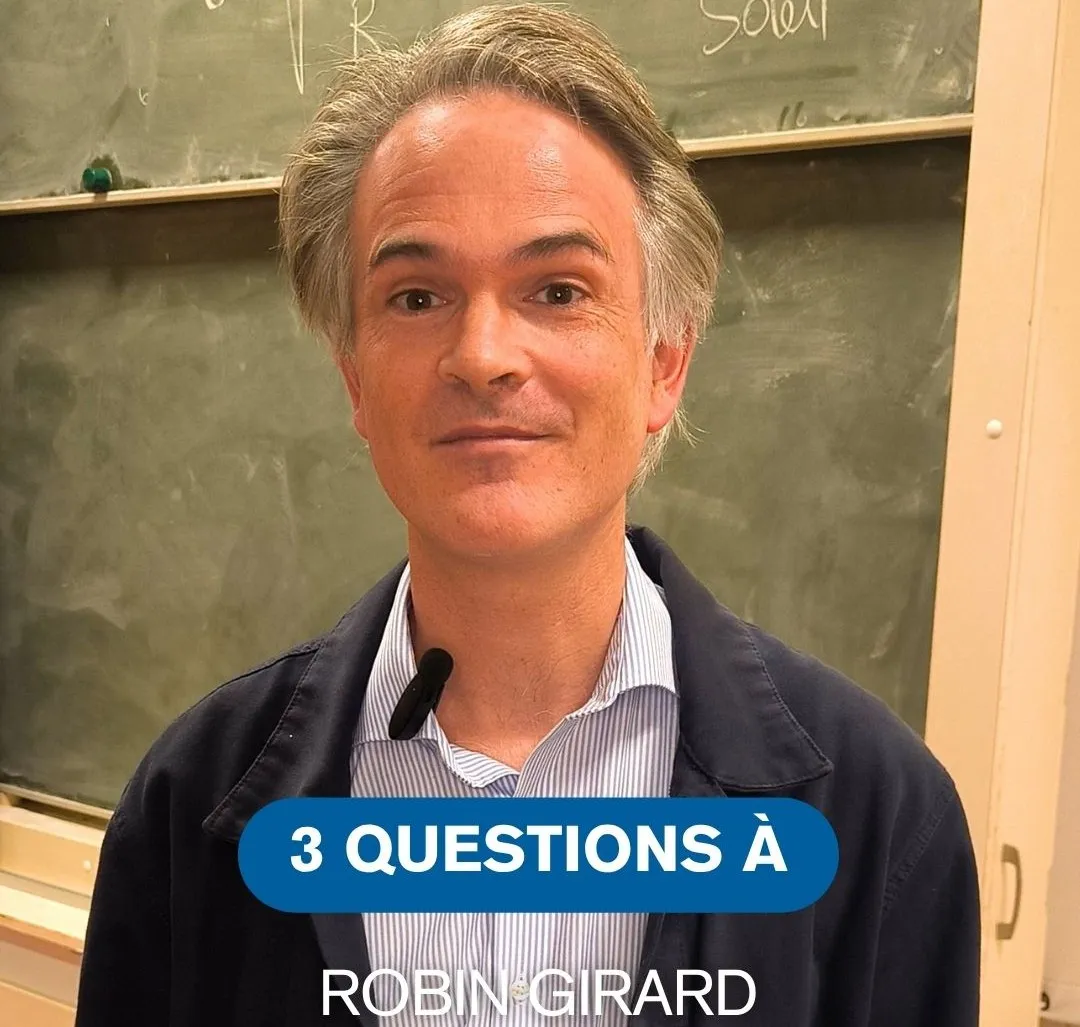
The PlaneTerr project, focused on the planning and coupling of territorial energy systems, is central to the institution's research. Robin Girard, a teacher-researcher at the Centre for Processes, Renewable Energies, and Energy Systems (PERSEE) at Mines Paris – PSL, addresses three key questions: how to integrate more renewable energies, anticipate needs related to electric vehicles and industrial decarbonization, and better coordinate electricity, gas, hydrogen, and heat infrastructures.
Using modeling and simulation tools, researchers at Mines Paris – PSL are collaborating with industrial partners to design more efficient, economically sustainable energy transition pathways tailored to the specific needs of territories.
The PlaneTerr project is coordinated by RTE and also includes TotalEnergies, NaTran, and Air Liquide. It receives funding from the French Government as part of the France 2030 initiative, operated by ADEME.