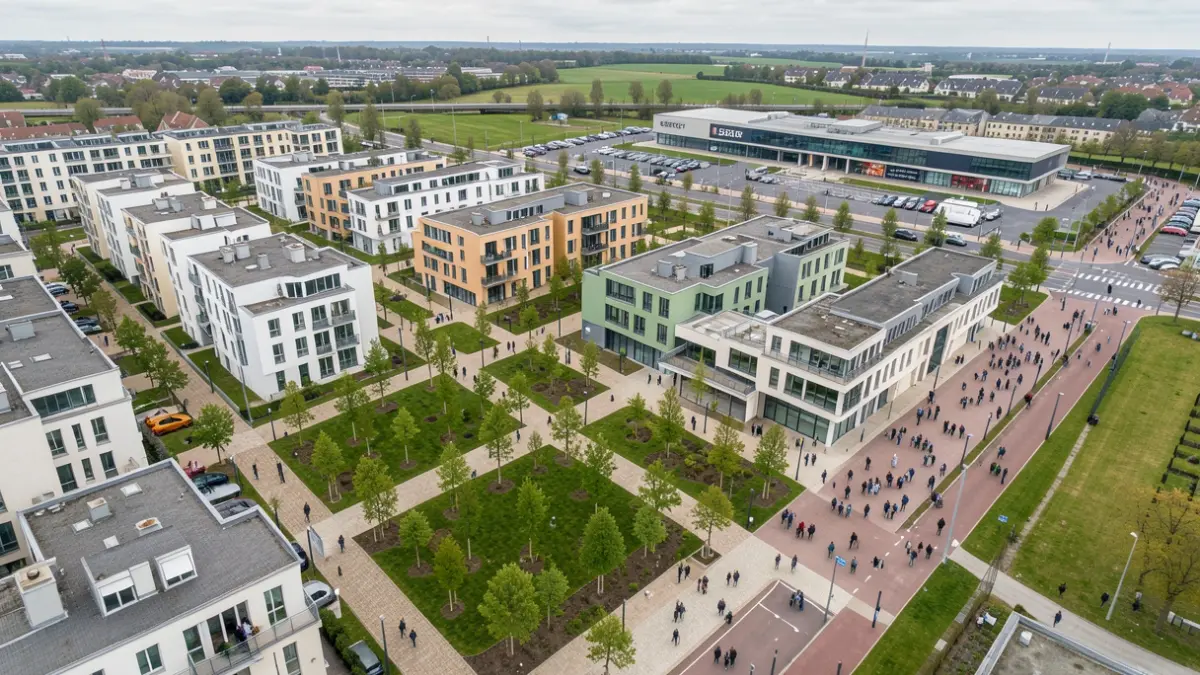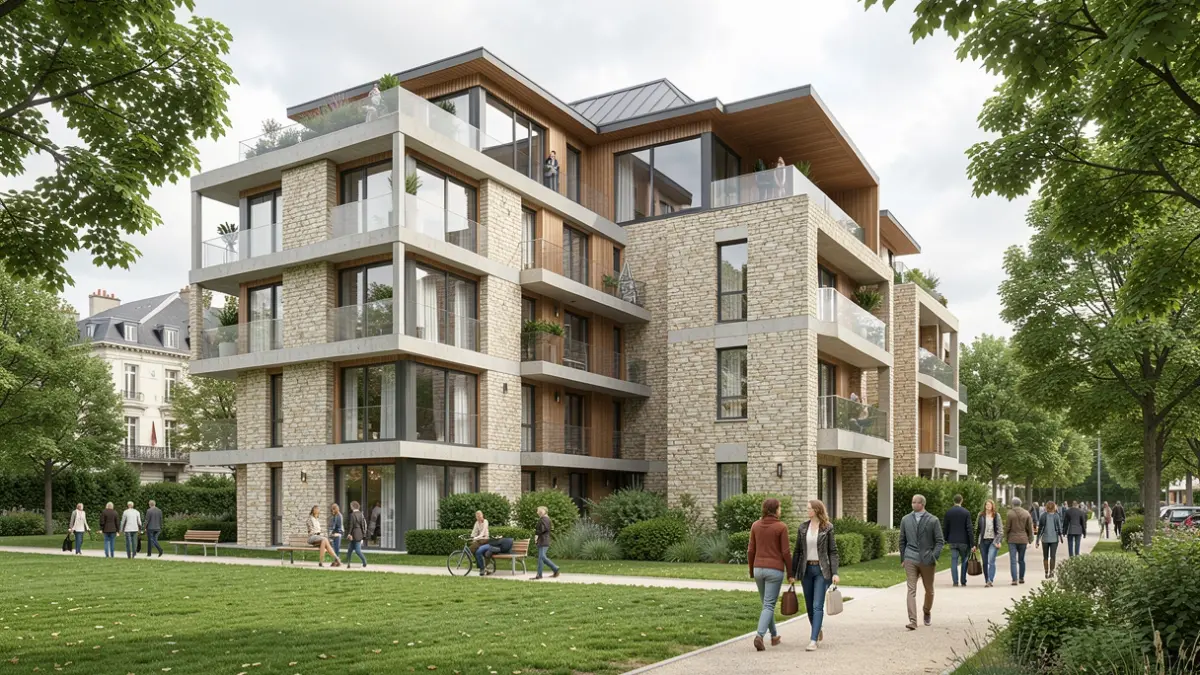
Beyond beautifying the living environment, these plantings address a growing challenge: adapting the town to the effects of climate change. New trees will gradually find their place in Moissy's landscape in parks, near schools, and along streets. A total of 48 trees are planned for the 2026 planting campaign, particularly in the Marronniers, Lugny, Jatteau, and sports park areas.
These new plantings will contribute to developing shaded areas, cooling public spaces, and strengthening nature's presence in the city, a role that is all the more valuable given the increasingly pronounced heatwaves and droughts in Parisian summers.
Faced with climate evolution, certain species offer interesting advantages. This is the case for the Caucasian hackberry, planted on Avenue de Jatteau, known for its resistance to heat and drought once established, and the Norway maple, planted on Rue Bajot. At the Marronniers school, the silver linden will be planted, a species also distinguished by its good heat tolerance.
Other species, such as cherry, willow, and liquidambar trees, will enrich the diversity of the communal tree heritage. The goal is not to rely on a single variety but to diversify plantings to make the plant heritage less vulnerable to diseases, pests, and climatic hazards. With 656 trees planted since 2020, Moissy's tree heritage continues to grow, with at least 500 additional trees programmed by 2030.
The list of plantings includes Byzance hazel trees on Rue du Marchais Basson, maples and ornamental pear trees on Rue des 4 Pommiers, weeping willows at the Lugny hangar, flowering cherry trees and Caucasian hackberry on Avenue de Jatteau, as well as oriental plane trees and soapberry trees on the station forecourt and Place Gustave Courbet.