The training of general practitioners in Île-de-France is undergoing a major evolution with the integration of the junior doctor status starting from November 2026. This measure is part of the reform of the third cycle of medical studies, initiated in 2017 and formalized by the decree of July 3, 2018. General medicine, the last specialty to adopt this structure, will see its Diploma of Specialized Studies (DES) extended from three to four years.
The objective of this reform is to enable future general practitioners to consolidate their skills under conditions close to their future practice, while guiding them towards autonomous practice. In response to healthcare service shortages in certain areas, this fourth year aims to foster professional immersion for future doctors closer to the population's needs and to enhance their understanding of practice conditions in underserved regions.
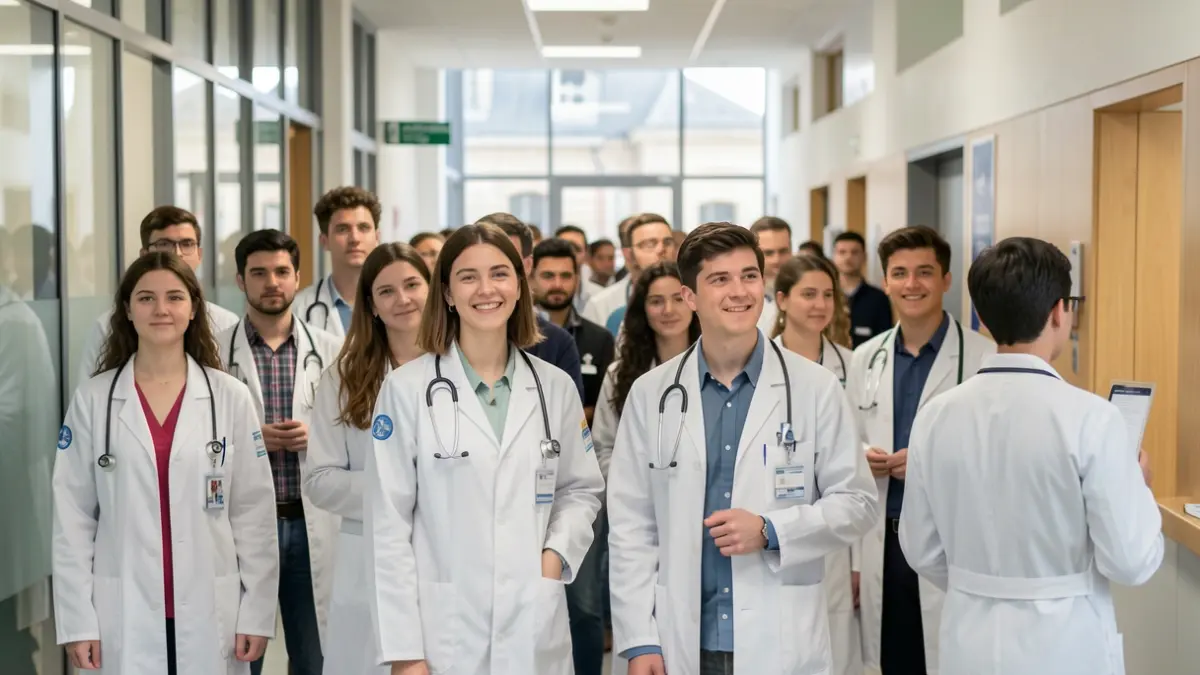
A junior doctor is defined as an intern who has defended their thesis and continues their training under the supervision and guidance of an accredited university training supervisor (MSU). During this consolidation phase, they conduct consultations, manage patient follow-ups, and participate in the activities of the host structure, benefiting from continuous pedagogical support.
Île-de-France will welcome its first cohort of junior doctors in general medicine in November 2026. The distribution will be based on territorial needs: Paris (58), Seine-et-Marne (52), Yvelines (60), Essonne (64), Hauts-de-Seine (35), Seine-Saint-Denis (74), Val-de-Marne (40), and Val d’Oise (29). Notably, 93% of junior doctors will practice in areas recognized for their low physician density.
The ARS Île-de-France commends the mobilization of territorial partners, particularly local authorities and their mayors, who played a crucial role in identifying needs and creating favorable conditions. The agency, alongside the general medicine DES coordination and other partners, has implemented support systems for host structures, especially for practices located in the most vulnerable territories.